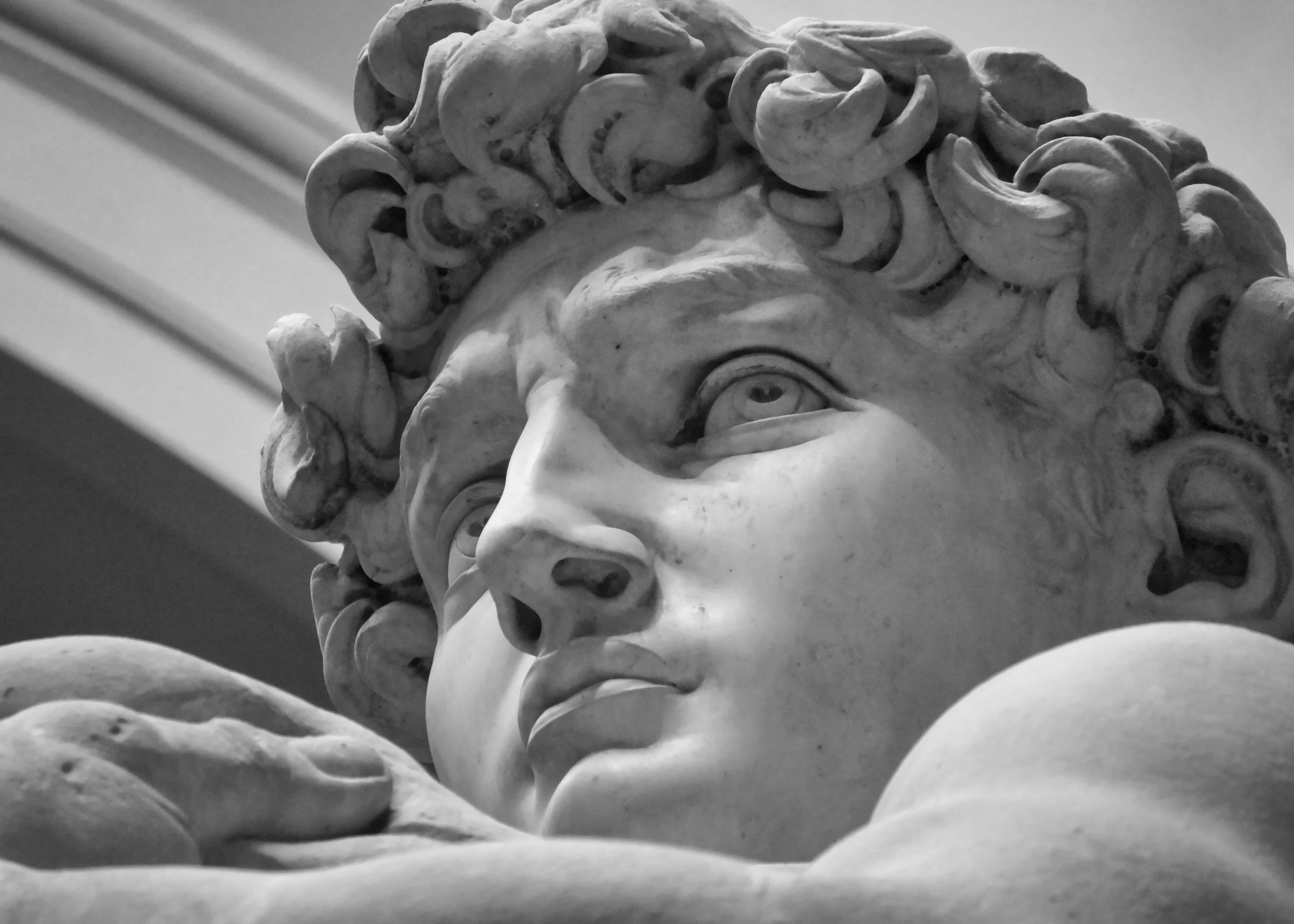
Statue
def. a three-dimensional representation usually of a person, animal, or mythical being that is produced by sculpturing, modeling, or casting
Summary
Statues often commemorate people of historical, cultural, and political significance. However, women and other minority demographic groups are underrepresented in these depictions, creating an unbalanced view of our collective memory.
Historical erasure
Women’s contributions, particularly in politics, science, and social movements, have historically been omitted from commemorative sculpture, reflecting patriarchal values in collective memory.
Representational imbalance
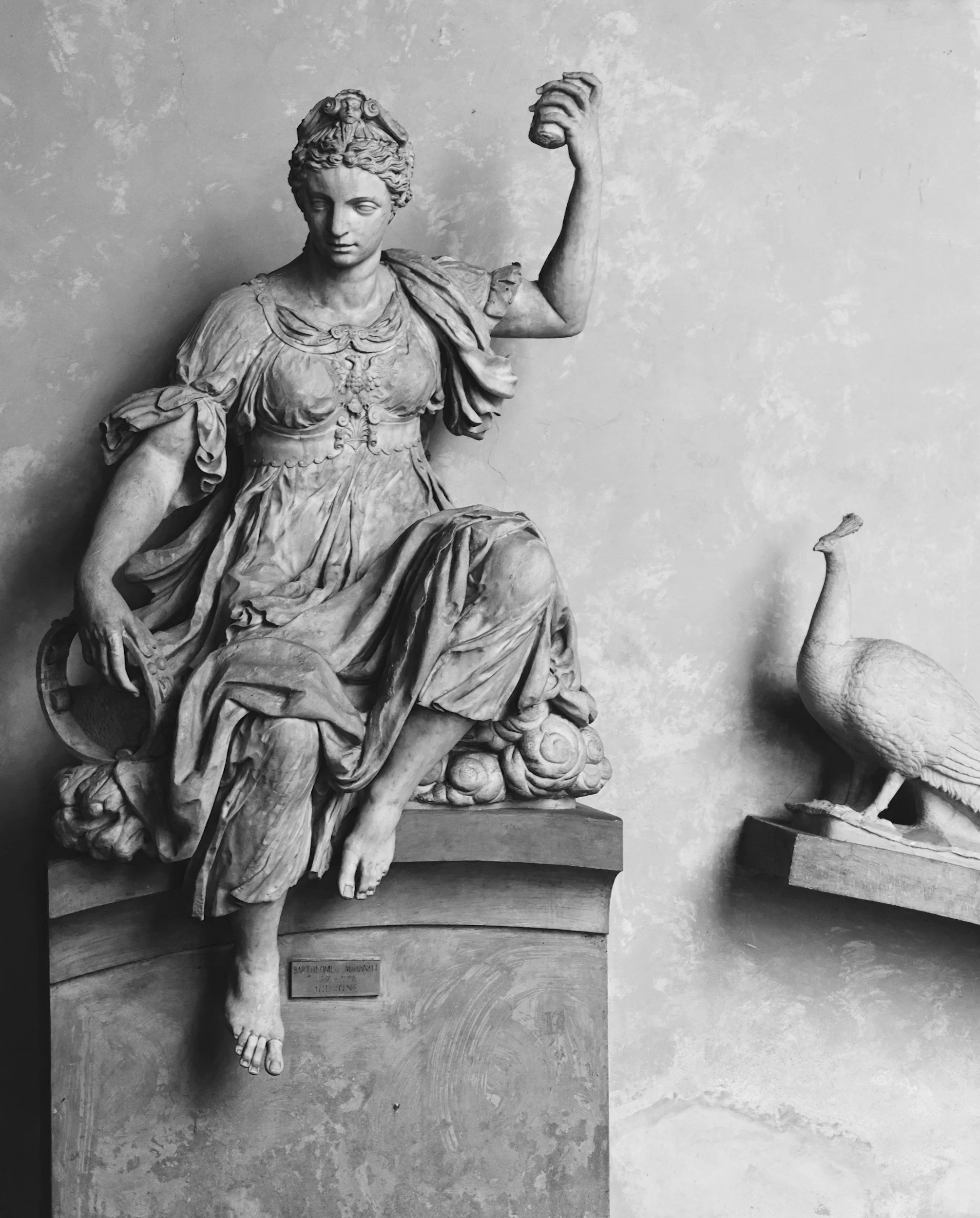
The vast majority of public statues depict men, often military, political, or religious figures. Meanwhile, women are underrepresented or depicted as allegorical figures (e.g., “Justice,” “Liberty”) rather than historical individuals.
Until the summer of 2020, all 23 statues in New York’s Central Park honoured men.
Symbolic roles
When women are represented, they are frequently portrayed in passive or supporting roles (e.g., mourning, nurturing, or embodying ideals), rather than as agents of action or leadership.
Spatial placement
Statues of men typically occupy central, elevated, or public locations (e.g., city squares), while statues of women are more often found in peripheral or decorative spaces (e.g., gardens, fountains).
Intersectional exclusions
Black, Indigenous, and other women of colour are even less represented in statues, compounding both racial and gendered marginalisation.
Did you know?
According to the UK’s Public Monuments and Sculptures Association database, there are more statues of men called ‘John’ than there were of historical, named, non-royal women (the only reason adding royal women to the figure just beats the Johns is down to Queen Victoria).
Case study: Contested memory and revision
Recent movements to remove or replace colonial and patriarchal monuments highlight how commemoration practices uphold gendered and racial power structures.
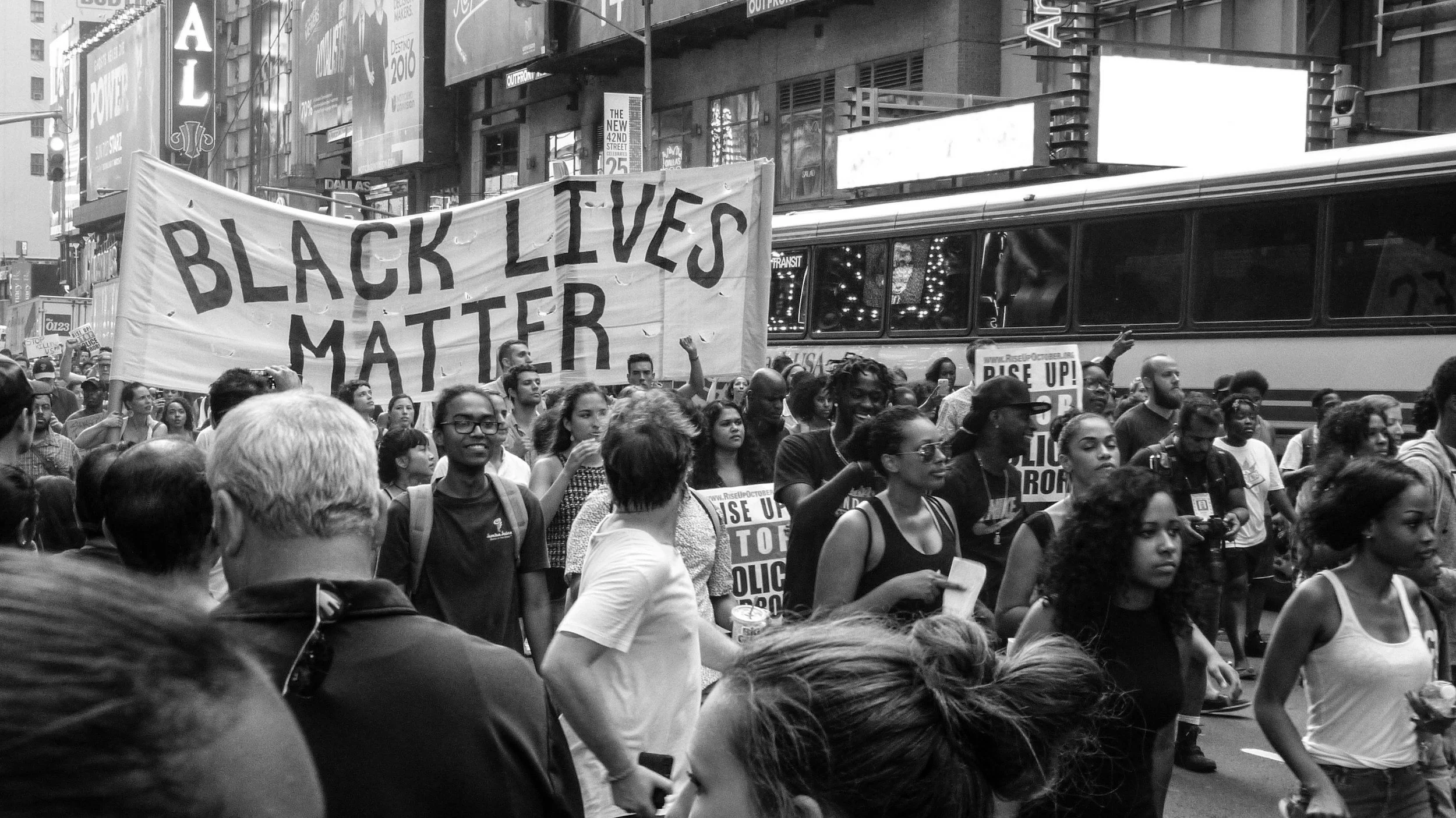
During the Black Lives Matter protests in the summer of 2020, a statue of slave-trader Edward Colston was torn down and dumped into Bristol city harbour. Colston was a member of the Royal African Company, which transported about 80,000 men, women and children from Africa to the Americas. This act of his statue being torn down caused a ripple-effect across the UK, leading to the removal or alteration of almost 70 tributes to enslavers and colonialists, including 39 names on streets, buildings and schools, as well as 30 statues, plaques and other memorials.
You can read more about the Black Lives Matter movement here.
-
It is difficult to add in-text citations in this format. If you have questions about a particular source or data point, please submit a source request, and I will get back to you with in-text citations.
Black-Cohen, Lisa. “Gender Imbalance of Public Statues in NYC.” Made in Bed Magazine, 19 April 2022.
Gravely Speaking. “Allegory vs. Realism: Female vs. Male Depictions.” Gravely Speaking, May 22, 2016.
Henry Moore Foundation. “Embodied Ideals.” Henry Moore Foundation, 2025.
BBC News. “Edward Colston statue: Protesters tear down slave trader monument.” BBC News, June 7, 2020.
Gayle, Damien. “How the Fall of Edward Colston’s Statue Revolutionised the Way British History Is Told.” The Guardian, May 5, 2023.
Criado Perez, Caroline. Invisible Women: Exposing Data Bias in a World Designed for Men. Abrams, 2019. Kindle edition.
Posso-Yépez, Miguel Ángel. Gandhy Leonardo Godoy-Guevara, Ángela Mikaela Posso-Astudillo, and Carlos Israel Almeida-Vargas. “Female Public Sculptures: Visibly Invisible.” Social Sciences 14, no. 9 (2025): 516.
-
Statues for Equality is an organisation dedicated to addressing the lack of gender and racial representation in statues. The goal is to reach complete gender equality of public sculptures (50%) across the globe by 2030.
Published 16 November 2025